
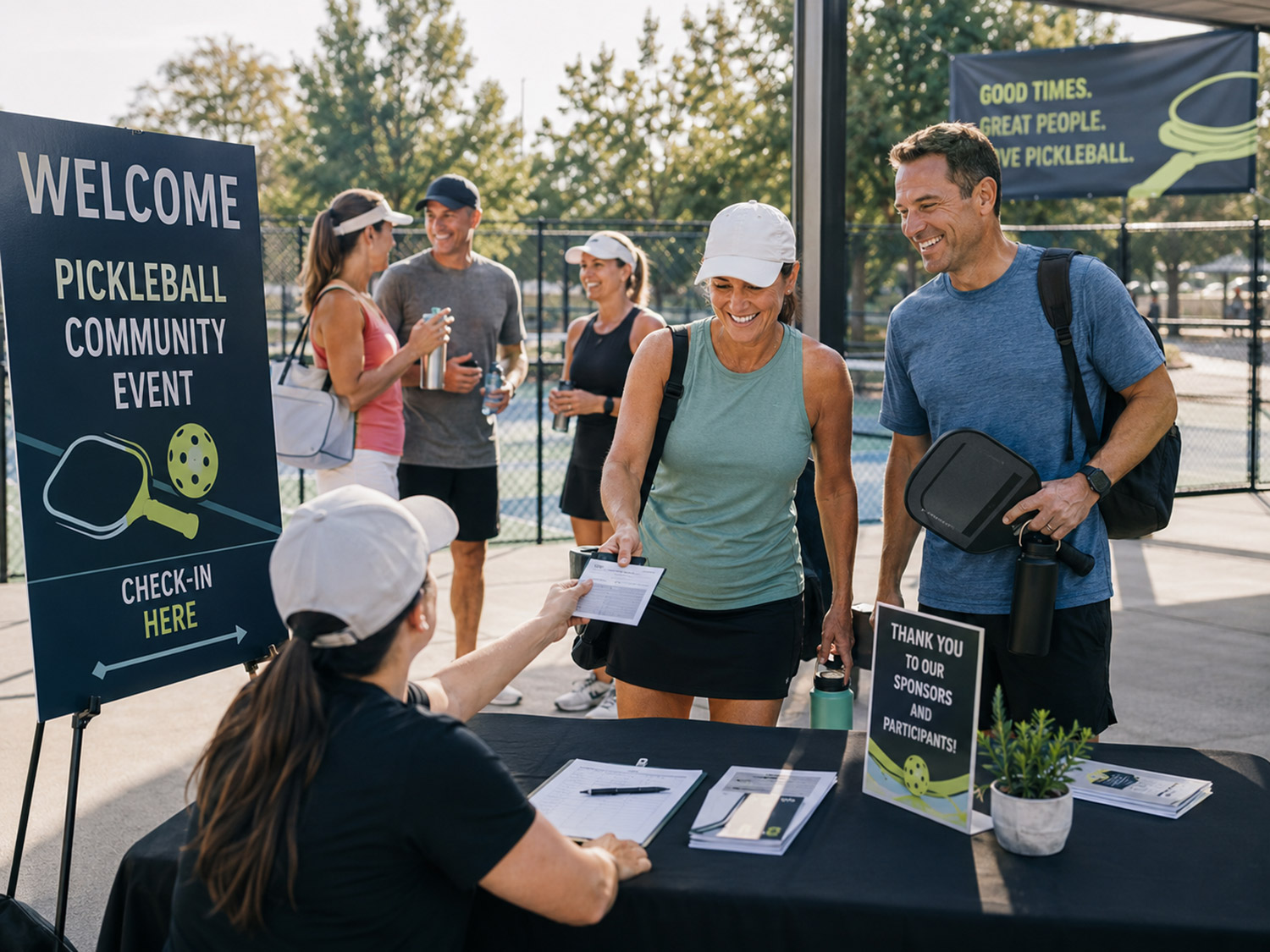
Pickleball has moved way past being a quiet activity at the community center. It is now a full-blown local draw. Health clubs are adding courts. Parks and recreation departments are hosting leagues. Senior living communities are using pickleball as an engagement tool. Restaurants, breweries, real estate groups, and local sponsors are finding ways to attach their name to pickleball events because the crowd is active, social, and easy to rally around when the message is clear.
That is the opportunity.
The challenge is getting people to show up.
At TurnHeads Marketing, we help local businesses promote real-world events with campaigns that are built for the neighborhoods they serve. When it comes to Marketing a Pickleball Event, the goal is not just to make a pretty flyer or post a few times on social media. The goal is to create attention, explain the event fast, reach the right people, and make registration or attendance feel easy.
A pickleball event can be a tournament, open house, clinic, charity fundraiser, league launch, grand opening, member appreciation day, senior activity day, or sponsor-driven community event. Each one needs a slightly different push. A casual beginner clinic should feel warm and low-pressure. A competitive tournament needs clean details, divisions, prizes, brackets, and deadlines. A charity event needs the cause front and center. A business open house needs to connect the fun of pickleball to the service or offer behind it.
That is where smart planning matters.
Start with the Reason People Should Care
Before we talk about postcards, email, signs, ads, or landing pages, we always start with the event hook.
A pickleball event needs a simple reason to act. People are busy. They may like the idea, but if the event feels vague, they will scroll past it or set the postcard on the counter and forget about it.
A strong event hook answers a few questions right away:
- Who is this for?
- Is it beginner-friendly?
- Do I need a partner?
- Is there a cost?
- Can I win something?
- Is it social, competitive, or both?
- What happens if I have never played before?
For example, “Join our pickleball tournament” is fine, but it does not do much heavy lifting.
“Beginner-Friendly Pickleball Social: No Partner Needed, Paddles Provided” gives people comfort.
“Saturday Pickleball Classic: Doubles Tournament, Local Prizes, Food Trucks, and Community Fun” gives people a reason to picture themselves there.
“Free Pickleball Open House for Adults 50+: Learn the Game, Meet Neighbors, and Tour Our Club” speaks to a very specific audience.
Good marketing begins with that kind of clarity.
Why Pickleball Events Need Local Marketing, Not Just Digital Noise
Pickleball is local by nature. People do not usually drive two hours to try a beginner clinic at a neighborhood club. They come from nearby subdivisions, apartment communities, retirement neighborhoods, workplaces, churches, fitness centers, and social circles.
That is why a strong campaign needs to reach people where they live and where they spend time online.
Posting on your business Facebook page is not enough. Your current followers may see it, or they may not. Boosting one post without a list, offer, landing page, or follow-up plan can burn money fast. A pickleball event needs layered exposure.
That may include direct mail, email, paid social ads, Google search ads, website banners, printed posters, yard signs, sponsor graphics, QR codes, and simple follow-up reminders.
We often tell clients that one message is rarely enough. Someone may see the postcard on Monday, notice the Facebook ad on Wednesday, and register after an email reminder on Friday. That is normal. Local event marketing works best when the message shows up in more than one place without feeling scattered.
Direct Mail Still Works Well for Pickleball Events
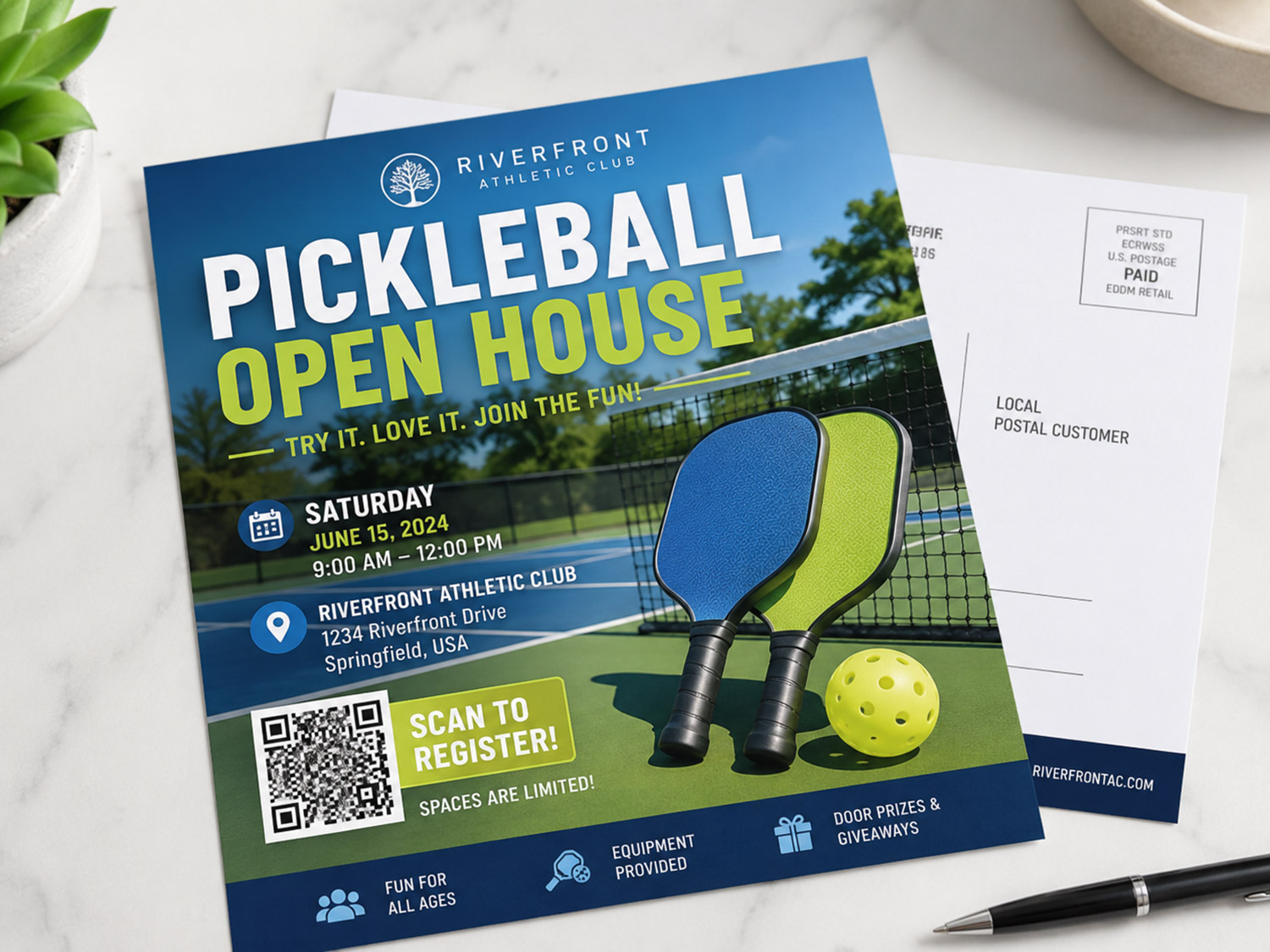
For local events, direct mail has one big advantage: it can reach the exact homes around your location. Fitness direct mail has always been a successful tool for fitness marketing because it reaches people at home, gives them something tangible to consider, and works especially well when the offer is tied to a local event or nearby facility.
That matters for pickleball.
If a fitness club is hosting a pickleball open house, we may recommend mailing nearby homeowners within a defined radius, then layering in age, income, household type, or lifestyle data depending on the event. A beginner clinic for active adults may use a different list than a youth and family event. A charity tournament with local sponsors may need a wider radius and a more community-focused message.
This is where pickleball Direct mail marketing can do a lot of practical work.
A postcard can sit on the kitchen counter. It can be handed to a spouse. It can be placed on a fridge. It can remind someone of the date without requiring them to remember where they saw the ad online.
For pickleball promotions, we usually want the postcard to do five things fast:
- Show that the event is about pickleball
- Make the date and location easy to see
- Explain who should attend
- Give one strong reason to register
- Make the next step simple
That next step might be a QR code, short URL, phone number, or walk-in invitation. For events with limited space, we prefer registration-based calls to action. For open community events, we may use a softer call to action like “Scan for event details” or “Bring a friend and join us.”
A common mistake is trying to put too much on the postcard. Event hosts want to include the schedule, sponsor list, rules, full explanation, photos, pricing, and every possible detail. That usually creates clutter. The postcard should create action. The landing page can hold the full details.
Digital Marketing Keeps the Momentum Going
Direct mail gets attention. Digital keeps the reminder cycle moving.
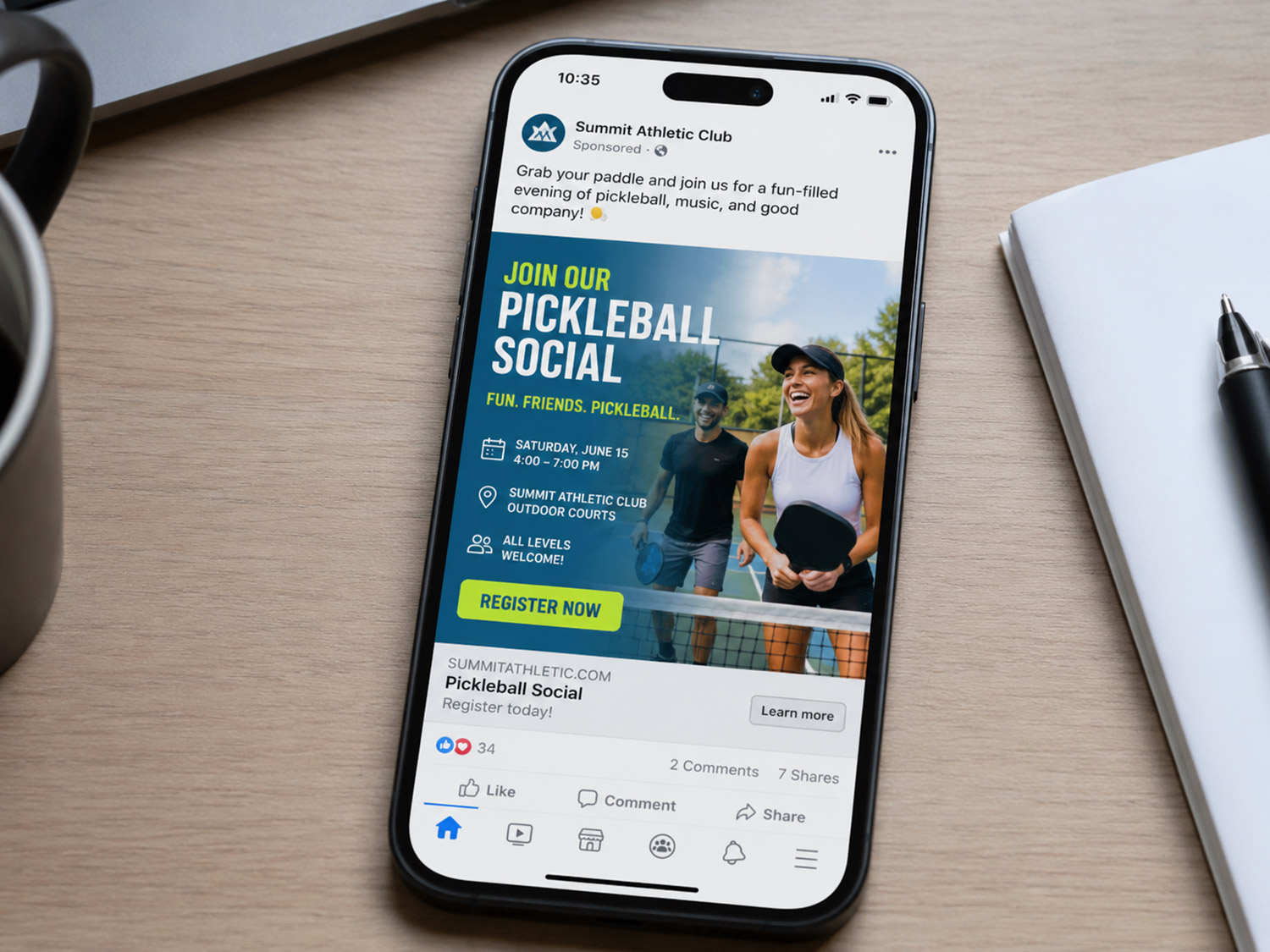
When we build digital marketing for pickleball business campaigns, we usually think in terms of timing. A campaign three weeks before the event looks different than a campaign three days before the event.
Early ads should explain the event and drive awareness. Middle-stage ads should push registration, teams, sponsor involvement, or early-bird deadlines. Final-week ads should focus on urgency, remaining spots, weather plans, parking, check-in time, or day-of excitement.
For a pickleball tournament, a simple digital workflow might look like this:
- A landing page goes live with the event details.
- A direct mail postcard hits homes nearby.
- Paid social ads target people within a local radius.
- Email reminders go to members, past attendees, and leads.
- Retargeting ads reach people who visited the page but did not register.
- Final reminders go out 48 hours before the event.
The campaign does not need to be complicated, but it does need to be organized.
We have seen event campaigns fall flat because the business had interest but no clear registration process. People clicked, got confused, and left. We have also seen events fill faster when the registration page was simple, the offer was clear, and the follow-up reminders were timely.
Build the Campaign Around the Type of Event
Not every pickleball event should be marketed the same way.
A fitness center hosting a new pickleball program may need to promote the event as a preview of ongoing membership value. The message should connect pickleball to the club experience: courts, instruction, community, wellness, and social connection.
A chiropractic office sponsoring a local pickleball clinic may use the event to meet active adults and talk about mobility, injury prevention, and staying active without pain. The promotion should feel helpful, not sales-heavy.
A senior living community may host pickleball as part of an active lifestyle open house. In that case, the audience may include adult children as well as prospective residents. The campaign may need two angles: fun and wellness for residents, peace of mind and lifestyle value for families.
A restaurant or brewery may use pickleball as a social event that drives foot traffic. The hook may be “play, eat, and hang out,” with specials, prizes, or team discounts.
A park district or recreation center may care about registrations, league signups, volunteer support, and long-term program growth.
The event type shapes the list, design, wording, offer, and follow-up.
That is why we do not like generic event templates. They may look fine, but they rarely account for the real goal behind the event.
The Details People Need Before They Commit
When someone is thinking about attending a pickleball event, small unanswered questions can stop them from registering.
- Do they need equipment?
- Can beginners come?
- Is there a rain date?
- Where do they park?
- What time does check-in begin?
- Can they register as an individual?
- Will food or drinks be available?
- Are spectators welcome?
- Is the event indoors or outdoors?
- What should they wear?
These are not tiny details. They are confidence builders.
We often recommend having a clean event landing page with the basics at the top and practical details lower on the page. The page should not feel like a legal document. It should feel like a helpful guide.
A strong landing page for promoting a pickleball event may include:
- Event name
- Date and time
- Location with parking notes
- Who the event is for
Cost or free admission - Registration button
- What to bring
- Skill levels or divisions
- Sponsor information
- Weather plan
- Contact information
For tournaments, include bracket format, team rules, check-in time, match structure, prize details, and registration deadline. For clinics, include instructor details, skill level, equipment notes, and class size.
When the details are handled upfront, staff spend less time answering the same questions by phone or email.
Match the Message to the Audience
Pickleball has a wide audience, but not every message works for every group.
Some players are competitive. They care about brackets, rankings, prizes, and court time.
Some are social. They care about meeting people, having fun, and feeling welcome.
Some are beginners. They care about not being embarrassed.
Some are families. They care about schedule, safety, and whether kids can participate.
Some are active adults. They care about movement, wellness, and community.
This is why one-size-fits-all marketing often misses. The creative should match the audience.
For example, a retirement community open house should not look like a hard-charging tournament poster. A competitive doubles tournament should not sound like a soft wellness seminar. A club membership event should not hide the business goal, but it should still lead with the benefit to the attendee.
At TurnHeads Marketing, we help shape that message before the campaign goes out. It saves money and makes the entire promotion stronger.
Use Print Materials at the Event Too
The marketing does not stop once people arrive.
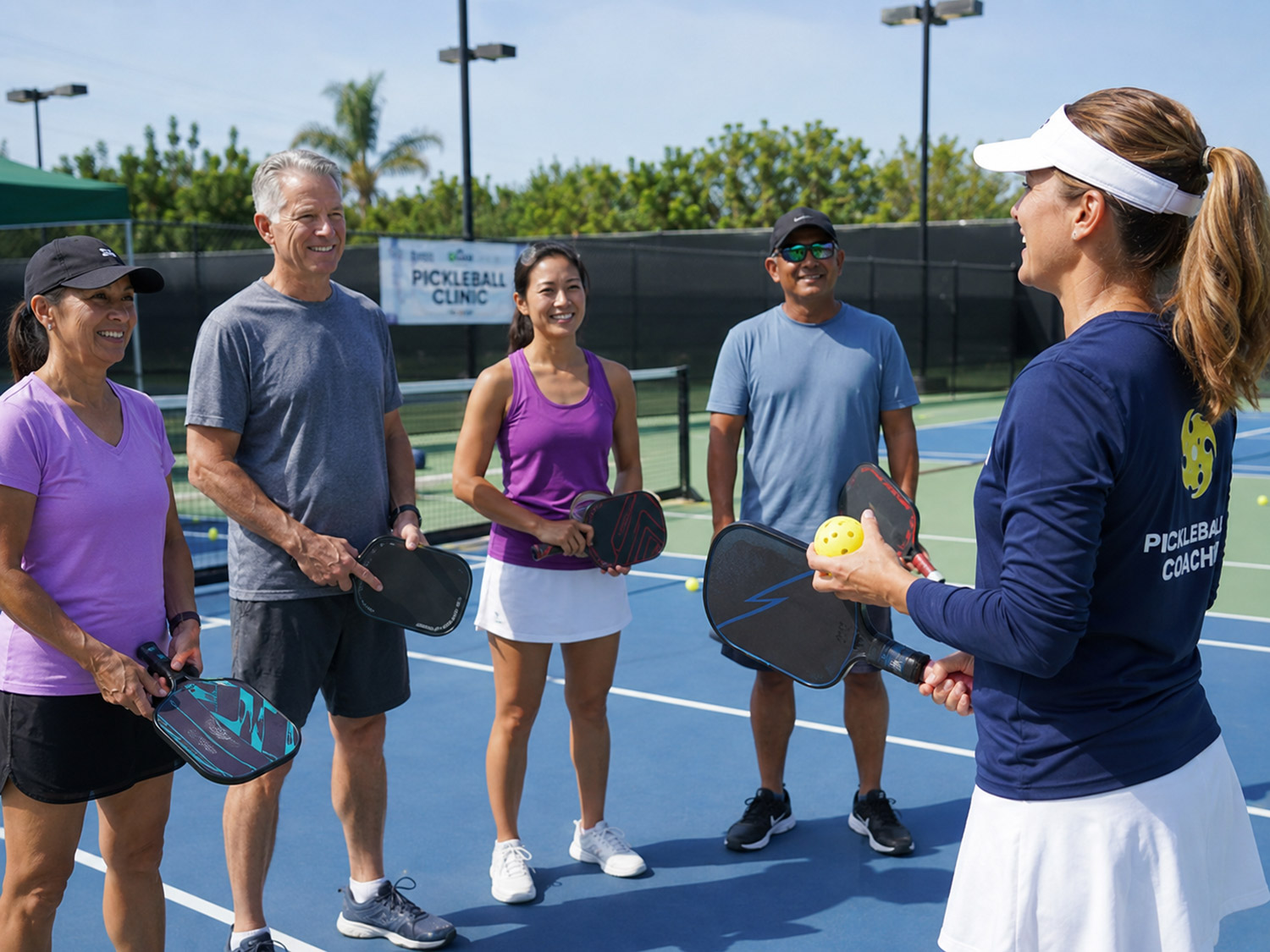
A well-run pickleball event needs printed materials that help the day feel organized. Signs, banners, check-in sheets, sponsor boards, court signs, schedule cards, flyers, and offer cards can all play a role.
This is especially important if the event is tied to lead generation or new customer acquisition.
Let’s say a health club hosts a free pickleball day to promote new memberships. The event should not rely on staff casually mentioning a membership offer. There should be a printed offer card. There should be a QR code at check-in. There should be a follow-up process for attendees who are interested but not ready to join that day.
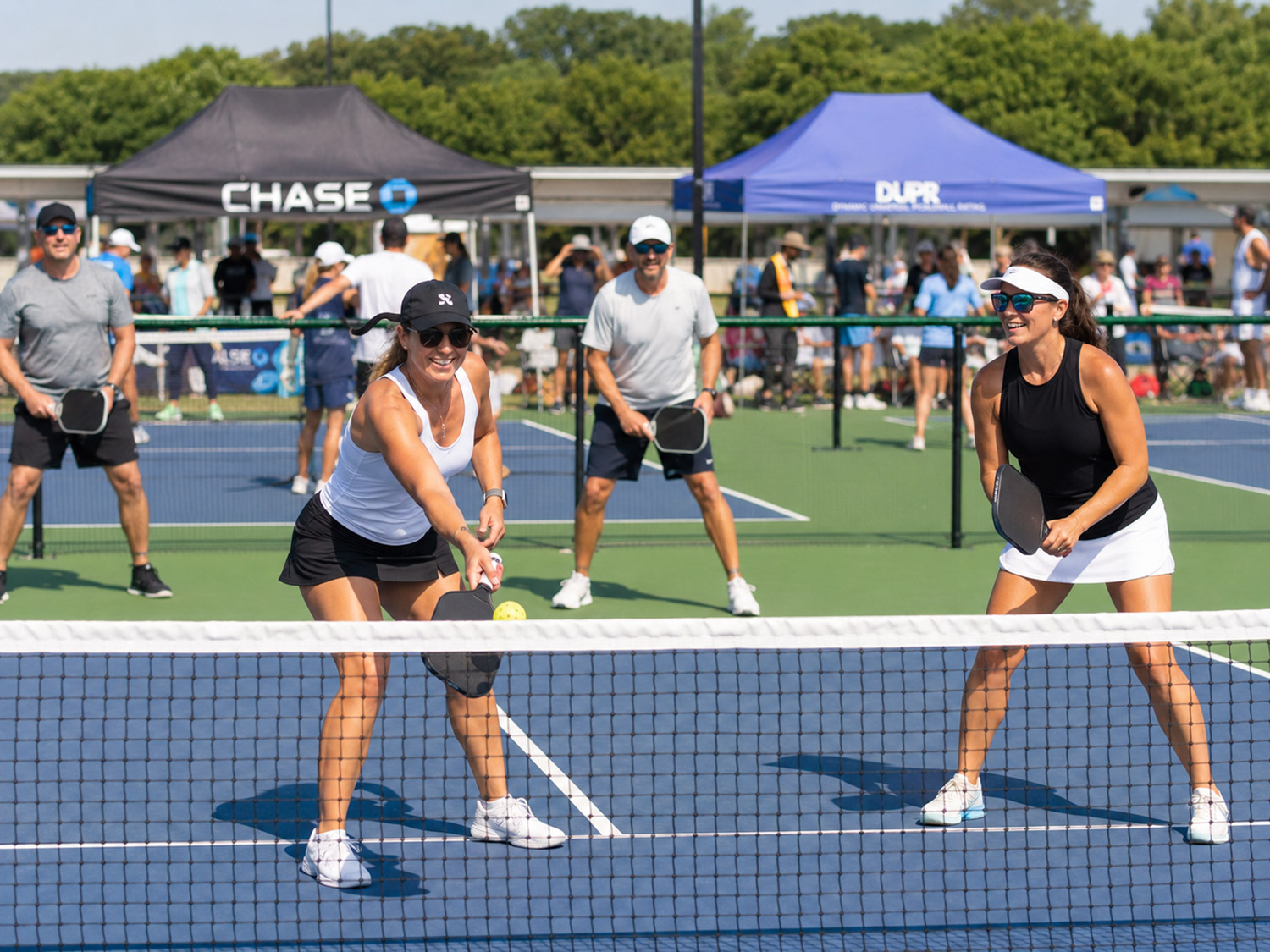
For a sponsor-driven charity tournament, sponsor banners and table signs matter. Sponsors want visibility. Clean materials make the event feel credible and make sponsors more likely to participate again.
For a league launch, send people home with the next session schedule. Do not assume they will find it later online.
The best event marketing carries through the whole experience.
Timing Can Make or Break the Campaign
A common issue with event promotion is starting too late.
For most local pickleball events, we like to see planning begin at least six to eight weeks out. That gives time to create the message, build the mailing list, design the postcard, print materials, prepare digital ads, set up the landing page, and schedule reminders.
A basic timeline may look like this:
- Six to eight weeks out: define the audience, offer, event details, and budget.
- Four to five weeks out: finalize creative, mailing list, landing page, and ad plan.
- Three weeks out: launch direct mail and early digital awareness.
- Two weeks out: push registration and sponsor visibility.
- Final week: run urgency reminders and practical event details.
- After the event: follow up with attendees, no-shows, sponsors, and new leads.
Post-event follow-up is one of the most missed opportunities. A good event creates warm attention. Do not let that attention disappear.
Send a thank-you email. Share photos. Invite people to the next clinic, league, membership offer, consultation, or community event. If the event was tied to a business goal, the follow-up is where much of the return happens.
Make the Offer Clear Without Making It Cheap
Not every pickleball event needs a discount. In some cases, a discount can make the event feel less valuable.
A better offer might be:
- Free beginner clinic
- Limited team spots
- Bring-a-friend entry
- Early registration bonus
- Sponsor prize package
- Free paddle demo
- Member guest pass
- Post-event social
- Charity donation per team
- VIP court time for early signups
The offer should match the purpose.
If the event supports a fitness center membership campaign, a guest pass or waived enrollment fee may work. If it supports a senior living community, the offer may be a guided tour and lunch after play. If it supports a local business, the offer may be a special event-day package or giveaway.
The key is making the offer easy to understand and easy to act on.
What We Look for Before Launching a Campaign
Before launching a pickleball event campaign, we like to check the pieces that affect turnout.
- Is the audience clearly defined?
- Is the event name strong enough?
- Is the date visible on every material?
- Does the postcard match the landing page?
- Is the registration process simple on mobile?
- Does the QR code work?
- Are the ads sending people to the right place?
- Are reminder emails scheduled?
- Are printed event materials ready?
- Does staff know what offer or next step to promote?
These checks are basic, but they prevent expensive mistakes.
We have seen QR codes go to old pages. We have seen event flyers missing the city or location. We have seen ads send people to a homepage where the event was hard to find. We have seen strong campaigns lose registrations because the form was too long.
Good execution protects the campaign.
How TurnHeads Marketing Helps Promote Pickleball Events
TurnHeads Marketing brings together local marketing strategy, direct mail, print, and digital support so businesses are not trying to piece the campaign together on their own.
We help with the practical parts that matter:
- Campaign planning
- Audience targeting
- Direct mail postcard design and printing
- Mailing list strategy
- Digital ad creative
- Landing page direction
- Flyers, posters, banners, and signs
- Event offer cards
- Sponsor materials
- Follow-up campaign support
Our role is to help the event feel clear, polished, and worth attending.
For many businesses, the hardest part is not the idea. They already know they want to host a pickleball event. The hard part is turning that idea into a campaign that reaches the right people at the right time with the right message.
That is where we can help.
Pickleball Is Fun, But the Campaign Still Needs a Plan
Pickleball has energy behind it right now. People are curious. Communities are forming around it. Businesses can use that momentum to create real local engagement.
But attention does not happen by accident.
A strong campaign gives people a reason to care, a simple way to respond, and enough reminders to take action. It uses direct mail to reach nearby households. It uses digital to stay visible. It uses print materials to support the event experience. It uses follow-up to turn attendance into lasting value.
That is the real power of Marketing a Pickleball Event.
When the campaign is planned well, the event can do more than fill courts. It can introduce people to your business, strengthen local relationships, create sponsor value, generate leads, and build a community around your brand.
At TurnHeads Marketing, we help businesses bring those pieces together with care, structure, and real-world marketing experience.
If your business is planning a pickleball event, make sure the promotion is built with the same energy as the event itself. Clear message. Smart audience. Strong materials. Easy response. Timely follow-up.
That is how a local event turns into a business opportunity.
FAQ
Most businesses should begin planning six to eight weeks before the event. This gives enough time for design, printing, mailing, digital ads, registration setup, and reminder campaigns.
Yes. A focused landing page makes it easier for people to find event details, register, and share the event with others.
Yes. For small clinics, direct mail can target nearby homes and help reach people who may not already follow your business online.
Larger postcards often work well because they give enough room for the event name, date, location, benefits, and QR code without feeling crowded.
That depends on the goal. Beginner events need a welcoming message, while competitive events need details about divisions, format, prizes, and registration deadlines.
Event signs should include check-in directions, court assignments, sponsor recognition, schedules, QR codes, and any next-step offer tied to your business.
Yes. Sponsors can be featured on postcards, banners, flyers, landing pages, emails, and event-day signage depending on the sponsorship level.
Follow up with attendees, thank sponsors, share photos, invite people to the next event, and send any offer connected to your business goal.